Produksi Beras Januari 2026 Capai 1,75 Juta Ton, Naik 38,56 Persen
Indonesian Govt Support the Farmers to Increase National Food Production
Editor : Cahyani Harzi
Translator : Dhelia Gani
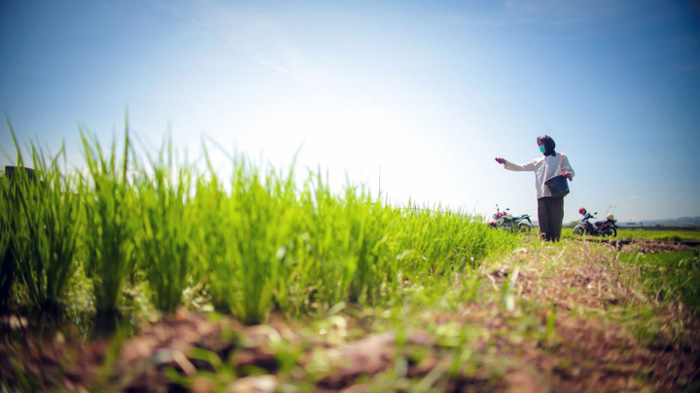
Jakarta (B2B) - Produksi beras nasional pada Januari 2026 tercatat sebesar 1,75 juta ton, meningkat 38,56 persen dibandingkan Januari 2025 yang sebesar 1,26 juta ton. Capaian tersebut menjadi indikator positif kinerja produksi pangan nasional di awal tahun serta memperkuat optimisme terhadap ketahanan pasokan beras bagi masyarakat.
Hal tersebut disampaikan Deputi Bidang Statistik Distribusi dan Jasa, Ateng Hartono, dalam pemaparan perkembangan produksi padi dan beras nasional pada Senin (2/3). Ia menjelaskan bahwa peningkatan produksi beras tersebut sejalan dengan membaiknya kinerja panen pada awal tahun.
“Sejalan dengan gambaran produksi padi tersebut, produksi yang setara dengan beras untuk konsumsi pangan masyarakat pada bulan Januari tahun 2026 sebesar 1,75 juta ton atau meningkat 38,56 persen jika dibandingkan dengan Januari 2025 yang nilainya 1,26 juta ton,” ujar Ateng.
Lebih lanjut, ia menyampaikan bahwa potensi produksi beras untuk periode Februari hingga April 2026 diperkirakan mencapai 12,23 juta ton. Dengan demikian, secara kumulatif produksi beras sepanjang Januari sampai dengan April 2026 diproyeksikan mencapai 13,98 juta ton.
Dari sisi hulu, produksi padi pada Januari 2026 tercatat sebesar 3,04 juta ton Gabah Kering Giling (GKG), meningkat dibandingkan periode yang sama tahun sebelumnya yang sebesar 2,20 juta ton GKG. Sementara itu, potensi produksi padi untuk Februari hingga April 2026 diperkirakan mencapai 21,24 juta ton GKG, sehingga total produksi padi Januari–April 2026 diproyeksikan sebesar 24,28 juta ton GKG.
Kinerja produksi tersebut tidak terlepas dari perkembangan luas panen. Pada Januari 2026, luas panen padi mencapai 0,57 juta hektare. Untuk periode Februari hingga April 2026, potensi luas panen diperkirakan mencapai 3,92 juta hektare, sehingga total luas panen Januari–April 2026 diproyeksikan mencapai 4,48 juta hektare.
Secara spasial, potensi panen padi sepanjang Februari hingga April 2026 sebagian besar terkonsentrasi di Pulau Jawa, terutama di Jawa Timur, Jawa Tengah, Jawa Barat, serta Banten.
Di Pulau Sumatera, potensi panen terkonsentrasi di Lampung, Sumatera Selatan, Sumatera Utara, dan Aceh. Sementara itu, di Pulau Sulawesi terpusat di Sulawesi Selatan, di Kalimantan berada di Kalimantan Barat, serta di Kepulauan Nusa Tenggara berada di Nusa Tenggara Barat.
Jakarta [B2B] - The role of agricultural training center as the Technical Implementation Unit [UPT] of Indonesian Agriculture Ministry across the country such as the Agricultural Training Center or the BBPP seeks to improving the competence and welfare of Indonesian farmers
The objective of the Indonesia Agriculture Ministry or the Kementan is to increase production and productivity, increasing farmers´ knowledge and skills in implementing climate smart agriculture, reducing the risk of crop failure, reduce the effect of greenhouse gases, and increase the income of farmers in irrigated areas and swamp areas.
Indonesian Agriculture Minister Andi Amran Sulaiman stated that the government´s commitment to developing agriculture, especially in the development of advanced, independent and modern agricultural human resources.
“The goal is to increase the income of farming families and ensure national food security. Farmer regeneration is a commitment that we must immediately realize," Minister Sulaiman said.
He stated that increasing farmers´ knowledge and skills in implementing climate smart agriculture, reducing the risk of crop failure, reducing the greenhouse gas effect and increasing farmers´ income in irrigated areas and swamp areas.
He reminded about the important role of vocational education, to produce millennial farmers who have an entrepreneurial spirit.
"Through vocational education, we connect campuses with industry so that Polbangtan graduates meet their needs and are ready for new things," Sulaiman said.
The objective of the Indonesia Agriculture Ministry is to increase production and productivity, increasing farmers´ knowledge and skills in implementing climate smart agriculture, reducing the risk of crop failure, reduce the effect of greenhouse gases, and increase the income of farmers in irrigated areas and swamp areas.
The target is to increase cropping intensity through irrigation rehabilitation, revitalization and modernization activities, the realization of a sustainable irrigation system through the revitalization of irrigation management, increasing institutional strengthening, as well as increasing the capacity and competence of human resources in irrigation management and increasing production and productivity.
Increasing farmers´ knowledge and skills in implementing climate smart agriculture, reducing the risk of crop failure, reducing the greenhouse gas effect and increasing farmers´ income in irrigated areas and swamp areas.
The main objective is to increase motivation for agricultural extension workers, agricultural extension centers, farmer groups, women farmer groups and farmer economic groups in agribusiness-oriented farming.