Wisata Ruang Angkasa Virgin Galactic Terhadang Kecelakaan Tragis
Virgin Galactic Crash Deals Blow to Space Tourism
Editor : Ismail Gani
Translator : Novita Cahyadi
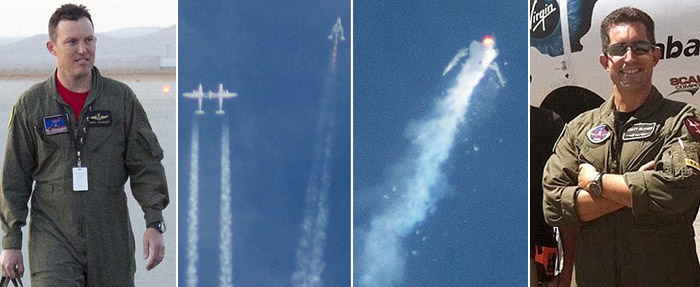
Los Angeles (B2B) - Pesawat roket penumpang yang dikembangkan oleh Virgin Galactic jatuh pada Jumat (31/10). Satu pilot tewas dan satu lainnya luka dalam ledakan saat uji coba penerbangan di wilayah udara Negara Bagian California, Amerika Serikat. Puing berserakan di satu daerah luas di Gurun Mojave.
"Mitra Virgin Galactic, Scaled Composite, melakukan uji coba mesin SpaceShipTwo melalui penerbangan pada pagi hari ini. Selama uji coba tersebut, wahana mengalami gangguan sehingga (kami) kehilangan kendaraan tersebut," kata perusahaan komersial itu di dalam pernyataan.
Ledakan terjadi setelah SpaceShipTwo dilepaskan dari pesawat pengantarnya, WhiteKnightTwo, lalu menyalakan mesin roket hibridnya, kata Stuart Witt, CEO dan General Manager Mojave Air and Space Port di California.
Dua pilot ada di dalam wahana itu ketika ledakan terjadi.
Satu parasut dilaporkan terlihat di atas Mojave Air and Space Port di California, pangkalan tempat SpaceShipTwo dan WhiteKnightTwo, lepas landas.
California Highway Patrol mengkonfirmasi laporan media setempat bahwa satu orang tewas dan satu orang lagi telah menderita "luka parah" dalam kecelakaan itu, seperti dikutip Xinhua.
"Antariksa adalah hal yang berat dan hari ini adalah hari yang berat," kata George Whitesides, CEO Virgin Galactic.
Pesawat antariksa WhiteKnightTwo, yang membawa SpaceShipTwo, mendarat dengan selamat.
Para penyelidik dari Dewan Keselamatan Transportasi Nasional sedang dalam perjalanan ke lokasi kecelakaan.
SpaceShipTwo, yang dikembangkan oleh Mogave Air and Spaceport, dirancang untuk membawa dua pilot dan enam penumpang dalam penerbangan antariksa sub-orbital.
Kecelakaan tersebut adalah bencana kedua dalam industri antariksa komersial dalam satu pekan.
Pada Selasa malam (28/10), satu roket tanpa awak yang dioperasikan oleh perusahaan swasta AS, Sciences Corp., meledak setelah peluncuran.
Los Angeles - Virgin Galactic has been a dream inspirer since it first unveiled plans in 2008 to send ordinary tourists to space. The dream, however, was somewhat dampened by Friday's crash of its spaceplane.
The spaceplane developed by Virgin Galactic went down after an explosion during a powered test flight over a desert area in the U.S. state of California. The result was tragic: one of the two pilots was killed and the other seriously injured. The survivor was flown to hospital by an air ambulance.
"Virgin Galactic's partner Scaled Composites conducted a powered test flight of SpaceShipTwo earlier today. During the test, the vehicle suffered a serious anomaly resulting in the loss of the vehicle," the commercial company said in a statement.
The explosion came after the plane dropped away from its WhiteKnightTwo carrier airplane and fired up its hybrid rocket engine, said Stuart Witt, CEO and general manager of the Mojave Air and Space Port in California.
Nothing seemed abnormal during the takeoff prior to the spaceship's failure, Witt told reporters at a news conference.
After the anomaly, at least one parachute was reportedly sighted over the Mojave Air and Space Port in California, the base from which SpaceShipTwo and its WhiteKnightTwo carrier plane took off.
"Space is hard and today was a tough day," George Whitesides, the CEO of Virgin Galactic, said at a news conference.
In 2008, when Virgin Galactic, led by British billionaire Richard Branson, predicted it would be launching paying passengers to space by 2010, a lot of celebrities including Hollywood superstar Leonardo DiCaprio announced they would like to be its first customers.
Four years beyond the plan, commercial trips to about 100 km above Earth -- the beginning of outer space, remained elusive.
The latest development is that Virgin Galactic said it was on track to begin commercial service in 2015, when the first dispatch of six passengers would be able to experience weightlessness in the cabin of its spaceship.
What's needed to put you on the waiting list is a payment of 250,000 U.S. dollars.