Astronot Mendarat di Bumi setelah Lima Bulan di Orbit Bumi
Astronauts Land Safely on Earth After Spending More Than 5 Months in Orbit
Editor : Ismail Gani
Translator : Novita Cahyadi
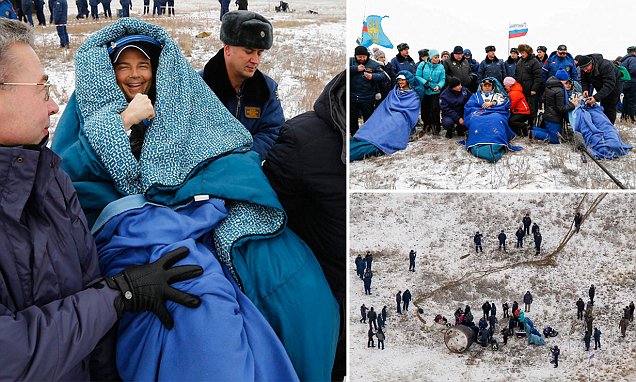
SEORANG kosmonot veteran Rusia dan dua kru Stasiun Luar Angkasa Internasional (ISS), salah satunya berasal dari Amerika Serikat dan satu dari Jerman, kembali dengan selamat ke Bumi Selasa pagi waktu setempat.
Kapsul Soyuz berparasut mendarat di Kazakhstan, yang mengakhiri misi mereka selama lima setengah bulan di stasiun ruang angkasa ISS di luar orbit bumi.
Maxim Suraev dari badan antariksa Rusia, sebagai komandan stasiun, masuk kapsul Soyuz bersama astronot NASA Reid Wiseman dan insinyur penerbangan Jerman Alexander Gerst dari European Space Agency dan menuju bumi Senin malam.
Sekitar tiga setengah jam setelah meninggalkan ISS tadi malam, kapsul meluncur ke bumi, cuaca berangin dan mendung ketika mendarat di stepa beku timur laut dari Arkalyk.
Suhu pagi di Kazakhstan tercatat hanya 5 derajat Celcius, kata komentator misi Rob Navias dari NASA yang menyiarkan secara langsung misi pendaratan tersebut, seperti dilansir MailOnline.
A VETERAN Russian cosmonaut and two International Space Station crewmates, one from the United States and one from Germany, returned safely to Earth this morning at 3:58am GMT (10:58pm EST).
The parachute landing of their Soyuz capsule in Kazakhstan ended five and a half months in orbit aboard the International Space Station.
Maxim Suraev of the Russian space agency, who was commander of the station during the mission, climbed into the Soyuz craft with Nasa astronaut Reid Wiseman and German flight engineer Alexander Gerst from the European Space Agency and departed the orbital outpost last night.
About three and a half hours after leaving the ISS last night, the capsule descended through cold, windy and overcast skies to touch down on the frozen steppes northeast of Arkalyk.
Early-morning temperatures in Kazakhstan registered just -5C (23F), mission commentator Rob Navias said on a live Nasa television broadcast of the landing.