
APBN 2016 jadi Momentum Pemerintah Lakukan Efisiensi Subsidi
Indonesian Govt Performs Efficiency of Subsidies in 2016 State Budget
Reporter : Gatot Priyantono
Editor : Cahyani Harzi
Translator : Dhelia Gani
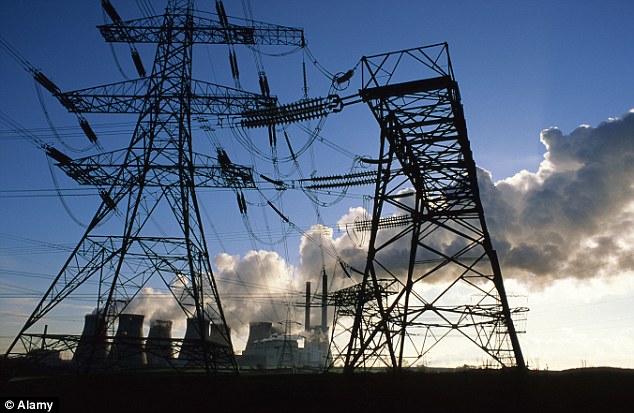
Jakarta (B2B) - Pemerintah melakukian langkah efisiensi belanja subsidi dalam Anggaran Pendapatan dan Belanja Negara (APBN) 2016 agar lebih tepat sasaran. Subsidi listrik, misalnya, hanya akan diberikan kepada pelanggan rumah tangga miskin dan rentan yang menggunakan daya 450 Volt Ampere (VA).
“Untuk subsidi listrik kita ingin memberikan subsidi langsung untuk pelanggan rumah tangga miskin dan rentan yang mempunyai daya 450 VA,” kata Menteri Keuangan (Menkeu) Bambang P.S. Brodjonegoro dalam konferensi pers tentang Kerangka Ekonomi Makro dan Pokok-Pokok Kebijakan Fiskal 2016 di Kantor Pusat Direktorat Jenderal Pajak, Jakarta, pekan lalu.
Sementara itu, bagi pelanggan listrik 900 VA, menurut Menkeu, subsidi akan diberikan secara lebih selektif. Hal ini, dilakukan mengingat banyak pelanggan listrik 900 VA yang ternyata tidak termasuk rumah tangga miskin dan rentan, sehingga tidak berhak memperoleh subsidi.
“Yang 900 (VA) kita berikan subsidi sampai dengan KWH tertentu untuk pelanggan rumah tangga miskin dan rentan. Jangan lupa, di 900 VA ini kadang-kadang yang masuk bukan rumah tangga kecil atau rumah tangga miskin, tapi apartemen, dan itu sebenarnya tidak layak untuk dapat subsidi, karena itu kita ingin perbaiki sistem subsidinya,” ujar Menkeu.
Menurut Menkeu, pemerintah juga akan memperbaiki sistem pemberian subsidi nonernergi, terutama subsidi pangan dan pupuk agar lebih tepat sasaran. Untuk subsidi pangan, pemerintah masih akan menyalurkan beras untuk keluarga miskin (raskin) dengan perbaikan pada akuntabilitas dan pengelolaannya.
Sementara itu, untuk subsidi pupuk, pemerintah akan mengubah secara bertahap skema penyalurannya, dari subsidi harga menjadi subsidi langsung kepada petani yang termasuk dalam rumah tangga miskin dan rentan.
“Karena selama ini subsidi pupuk yang jumlahnya cukup besar, sekitar Rp30 triliun itu sering salah sasaran. Artinya bukan dibeli oleh petani yang membutuhkan, tetapi dibeli oleh perkebunan, tapi dengan harga subsidi. Nah ini yang akan kita bereskan,” kata Menkeu seperti dilansir Setkab.
Jakarta (B2B) - The Indonesian government made the efficiency measures of subsidy expenditure in the 2016 State Budget to be more targeted. Electricity subsidies, for example, will only be given to customers of poor and vulnerable households who use the power of 450 Volt Ampere (VA).
“For electricity subsidies we want to provide direct subsidies to the poor and vulnerable households customers that have a power of 450 VA,” Indonesian Finance Minister Bambang PS Brodjonegoro told the press on the Framework of Macroeconomic and the Principles of Fiscal Policy in 2016 in the Central Office of the Directorate General of Tax, Jakarta, recently.
Meanwhile, for electricity customers of 900 VA, according to the Minister, the subsidy will be given more selectively. This, because many electricity customers of 900 VA that they apparently not included as poor and vulnerable households, so they are not entitled to receive the subsidy.
“For the costumers of 900 (VA), we will give a subsidy to certain KWH to customers poor and vulnerable households. Do not forget, in this VA 900, sometimes coming not from poor households, but the apartment, and it is actually not worthy to receive the subsidy, therefore, we want to fix the subsidy system,” the minister said.
According to minister, the government will also improve system non-energy subsidies, especially food and fertilizer subsidies to be more targeted. For food subsidies, the government still will distribute rice to the poor with improvements in accountability and management.
Meanwhile, for the fertilizer subsidy, the government will gradually change the distribution scheme; from price subsidies into direct subsidies to farmers are included in poor and vulnerable households.
“Because of all this fertilizer subsidy which is quite large, around Rp 30 trillion is often misplaced. The farmers who need it do not purchase that, but it was purchased by the estate, but at a subsidized price. That is what will we clean up,” he added.