
Devisa Ekspor Gagal Perkuat Nilai Rupiah terhadap Dolar AS
Foreign Exchange Strengthen Export Failed Rupiah Against the U.S. dollar
Reporter : Gatot Priyantono
Editor : Ismail Gani
Translator : Novita Cahyadi
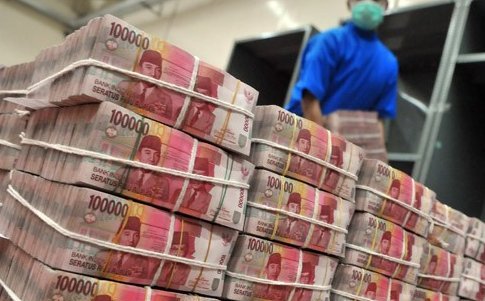
Jakarta (B2B) - Kebijakan Bank Indonesia mewajibkan eksportir melaporkan dan menempatkan devisa hasil ekspor di perbankan dalam negeri belum optimal memperkuat nilai tukar rupiah terhadap dolar Amerika Serikat (AS).
Kepala Riset dan Analisis Treasury PT BNI Tbk, Nurul Eni Nurbaeti menilai hal ini disebabkan pelaporan devisa ekspor sebatas pencatatan dan tidak ada ketentuan menahan devisa dalam waktu tertentu.
Aturan devisa ekspor berlaku sejak 2 Juli 2012 dengan tujuan meningkatkan pasokan valuta asing di dalam negeri, namun efektivitasnya belum terlihat.
Dalam setahun terakhir, rupiah terdepresiasi 6,03% ke level Rp9.663 per dolar. Selasa lalu, rupiah bahkan menyentuh level Rp9.827 per dolar. Rupiah juga menjadi mata uang kedua yang memberi return negatif terbesar di Asia setelah yen.
Jakarta (B2B) - Bank Indonesia’s policy of requiring exporters to report and place foreign exchange (forex) export proceeds in domestic banks has not been optimal in strengthening the rupiah against the United States (US) dollar.
Nurul Eti Nurbaeti, Head of Research and Analysis Treasury of PT BNI Tbk said this is because the reporting of export forex only goes so far to the extent of recording but there is no regulation to withhold the forex within the specified time.
Export forex regulation was effective from July 2, 2012, with the goal of increasing the supply of forex in the country, but its effectiveness is yet to be seen.
In the past year, the rupiah depreciated by 6.03 percent to a level of Rp9.663 per US dollar, and last Tuesday reaching Rp9.827 per dollar. Rupiah is also a second currency with the largest negative return in Asia after the Japanese Yen.